
Care Works Best When We Work Together
Evidence-based Guidance for Movement, Healing, and Care.
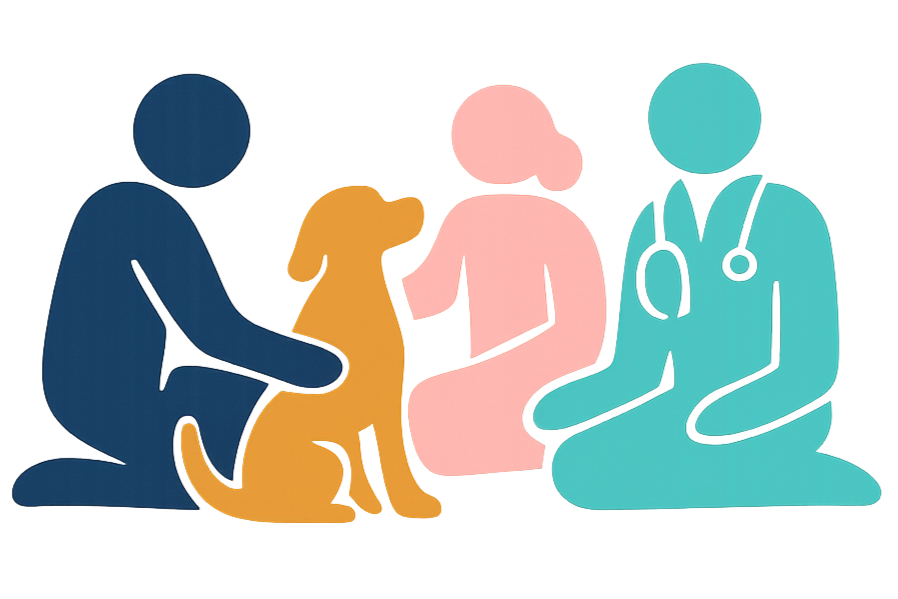
Healing happens best when pet owners, veterinarians, and rehabilitation professionals work together—each bringing their expertise, care, and commitment to your pet’s well-being.
Healing happens best when pet owners, veterinarians, and rehabiliation professsionals work together.
Why Veterinary Care Comes First
Why This Is Important for Your Pet
Many conditions can look the same on the outside but are very different on the inside. A veterinary evaluation helps identify what’s really going on so your pet receives the right care.
Things to Know
All diagnoses require a veterinarian
Limping or pain can come from joints, muscles, nerves, or medical conditions
Treating symptoms without understanding the cause can delay healing
What You Can Do
Schedule a veterinary exam when your pet shows changes in movement or comfort
Share videos and observations with your veterinarian
Ask whether rehabilitation or physical therapy could support recovery

Lameness Is Probably Pain—Even When It’s Subtle
Why This Is Important for Your Pet
Dogs and cats don’t tell us they hurt with words. Changes in movement are often their way of asking for help.
Things to Know
Slowing down, stiffness, or avoiding activities can be signs of pain
Pain is not a normal part of aging
Early support often leads to better outcomes
What You Can Do
Pay attention to small changes in how your pet moves
Take concerns seriously, even if they seem mild
Ask about pain management and rehabilitation options

Understanding Rehabilitation, Therapy, and Tools
Why This Is Important for Your Pet
Rehabilitation is more than exercise or equipment—it’s a thoughtful process guided by training, assessment, and your pet’s response.
Things to Know
Skilled rehabilitation is individualized to your pet
Modalities (like laser or ultrasound) are tools, not treatment plans
Underwater treadmills can be helpful, but aren’t right for every pet or every stage
What You Can Do
Ask who will be evaluating and guiding your pet’s rehabilitation
Look for licensed, trained professionals
Choose care that explains why each part of the plan is used

When In-Person PT/Rehab Isn’t an Option
Why This Is Important for Your Pet
Not every family has access to in-person rehabilitation—but education can still help.
Things to Know
Education supports—not replaces—veterinary care
Calm, clear guidance can help you support healing at home
Knowing what to ask helps you find qualified care nearby
What You Can Do
Use Heal Up Pup™ for step-by-step home care education
Download the Rehab Team Interview Questions
Stay connected with your veterinarian
Why Veterinarians Matter So Much
Why This Is Important for Your Pet
Veterinarians are medical doctors for animals. They diagnose illness, manage pain, and guide medical decision-making—often under challenging circumstances.
Things to Know
Veterinary medicine is practiced without universal insurance
Veterinarians balance medical needs with real financial constraints
Most veterinarians choose this work because they care deeply about animals
What You Can Do
Approach veterinary visits as a partnership
Ask questions openly and with curiosity
Understand that planning ahead supports better care for everyone

Planning Ahead Can Make Care Easier
Why This Is Important for Your Pet
Planning ahead helps ensure your pet can receive timely care without added stress during difficult moments.
Things to Know
Injuries and illnesses are often unexpected
Pet insurance can help reduce financial pressure
Planning ahead allows care decisions to focus on your pet’s needs
What You Can Do
Consider pet insurance early
Explore options that fit your family and pet
Use educational tools to prepare for future decisions



Healing happens best when pet owners, veterinarians, and rehabiliation professsionals work together.